






נשירת שיער – המדריך המלא לטיפוח הקרקפת


תשובה קצרה: נשירה של כ־50 עד 100 שערות ביום נחשבת טבעית.
כשהנשירה חריגה, הצעד הראשון הוא לזהות את הגורם, ולעיתים גם בדיקה אצל רופא.
טיפוח עדין לקרקפת, תזונה מאוזנת והפחתת עומס על השיער תומכים בשיער קיים.
מוצרי קוסמטיקה יכולים לחזק ולשפר את המראה, אך אינם מטפלים בגורם רפואי.
שערות על המברשת, על הכרית או במקלחת מעוררות לא פעם את השאלה: מתי זה יותר מדי?
נשירת שיער היא נושא רגיש, ויש סביבו הרבה הבטחות.
המאמר הזה עושה סדר: מה נחשב טבעי, מה יכול לגרום לנשירה ומה אפשר לעשות בבית.
ובעיקר, מתי נכון לפנות לרופא.
נשירה רגילה לעומת נשירה חריגה
לכל שערה יש מחזור חיים: שלב צמיחה, שלב מעבר ושלב מנוחה שבסופו היא נושרת.
במקומה מתחילה בדרך כלל לצמוח שערה חדשה מאותו זקיק.
לכן נשירה של עשרות שערות ביום היא חלק טבעי מהתחדשות השיער.
בימים של חפיפה או הברשה יסודית, נראה שנושרות יותר שערות.
לרוב מדובר בשערות שכבר השתחררו ופשוט נאספו יחד.
סימנים שכדאי לשים אליהם לב
- כמות שיער חריגה שנושרת לאורך כמה שבועות ברציפות.
- קוקו שנעשה דק יותר באופן מורגש.
- שביל שמתרחב או קרקפת שנראית יותר בחלק העליון.
- אזורים עגולים או מוגדרים ללא שיער.
- נשירה שמלווה בגרד, כאב, אדמומיות או קשקשים.
- נשירה גם בגבות, בריסים או בשיער הגוף.
חשוב להבחין גם בין נשירה לשבירה.
שערה שנשרה מהשורש מסתיימת לרוב בנקודה לבנה קטנה.
שערה שנשברה קצרה יותר ואין לה שורש, וזה בדרך כלל סימן לשיער יבש או פגוע.
מה יכול לגרום לנשירת שיער?
לנשירה יכולים להיות גורמים רבים, ולעיתים יותר מגורם אחד בו זמנית.
הנה הנפוצים שבהם.
עונות השנה
אנשים רבים מדווחים על נשירה מוגברת בסוף הקיץ ובסתיו.
מדובר בתופעה עונתית שבדרך כלל חולפת מעצמה תוך כמה שבועות.
שמש, מלח, כלור וחום של הקיץ עלולים גם להחליש את סיב השיער ולהגביר שבירה.
סטרס וטלוגן אפלוביום
אירוע מלחיץ, מחלה עם חום גבוה, ניתוח או ירידה חדה במשקל עלולים לגרום לנשירה מפושטת.
התופעה נקראת טלוגן אפלוביום, והיא מופיעה לרוב כחודשיים עד שלושה חודשים אחרי האירוע.
בחלק גדול מהמקרים הנשירה נרגעת בהדרגה כשהגורם חולף, אך התהליך דורש סבלנות.
שינויים הורמונליים
אחרי לידה נשירה מוגברת היא שכיחה מאוד, ובדרך כלל מגיעה לשיא כמה חודשים אחרי הלידה.
גם גיל המעבר, הפסקת גלולות, תסמונת שחלות פוליציסטיות ובעיות בבלוטת התריס עשויים להשפיע.
במקרים כאלה הבירור הנכון נעשה מול רופא, ולא דרך מוצרי טיפוח.
גורם תורשתי
התקרחות תורשתית מתבטאת אצל נשים בדרך כלל בהידלדלות הדרגתית באזור השביל והקודקוד.
אצל גברים היא מופיעה לרוב בהתרחבות המפרצים ובקודקוד.
זהו מצב רפואי מתמשך, ויש לו טיפולים רפואיים שכדאי לבחון עם רופא עור.
תזונה וחסרים
חוסר בברזל, בחלבון, בוויטמין B12 או בוויטמין D עשוי להיות קשור לנשירה.
דיאטות קיצוניות ותפריט דל בחלבון עלולים להשפיע על השיער כעבור כמה חודשים.
עומס מכני ועיצוב
קוקו או צמות הדוקות לאורך זמן עלולים למשוך את השיער משורשו.
חום גבוה מפן ומחליק, צביעות חוזרות והחלקות כימיות מחלישים את השיער ומגבירים שבירה.
גורמים רפואיים נוספים
תרופות מסוימות, מחלות אוטואימוניות כמו התקרחות פלטתית, ודלקות בקרקפת עשויות לגרום לנשירה.
כאן חשוב במיוחד לא להסתפק בטיפול ביתי.
מתי לפנות לרופא?
כדאי לקבוע תור לרופא משפחה או לרופא עור באחד מהמקרים הבאים:
- נשירה פתאומית וכבדה, או נשירה שנמשכת יותר מכמה חודשים.
- קרחות עגולות או אזורים מוגדרים ללא שיער.
- כאב, צריבה, גרד חזק, אדמומיות, פצעים או קשקשים עבים בקרקפת.
- נשירה שמלווה בעייפות, שינויים במשקל, מחזור לא סדיר או תסמינים אחרים.
- נשירה אחרי התחלת תרופה חדשה.
- הידלדלות מתקדמת באזור השביל, הקודקוד או קו השיער.
הרופא עשוי להמליץ על בדיקות דם, למשל ברזל ומאגרי ברזל, בלוטת התריס וויטמינים.
לפי הממצאים ניתן להתאים טיפול, לעיתים תרופתי.
ככל שמתחילים בירור מוקדם יותר, כך קל יותר להבין את התמונה.
מה אפשר לעשות בבית כדי לשמור על השיער והקרקפת?
טיפוח הקרקפת
קרקפת נקייה ומאוזנת היא בסיס טוב לשיער שנראה בריא.
אפשר לחפוף בתדירות שמתאימה לסוג הקרקפת, גם אם זה כל יום או יומיים.
חפיפה לא גורמת לנשירה, היא רק אוספת שערות שכבר השתחררו.
עיסוי עדין בקצות האצבעות בזמן החפיפה או מריחת סרום מעניק תחושת רעננות ונעימות.
עדיף להימנע מגירוד בציפורניים ומשפשוף חזק.
שמפו ומוצרי טיפוח
שמפו עדין שמתאים לסוג הקרקפת עדיף על פני ניקוי אגרסיבי.
קרקפת שומנית, יבשה או רגישה צריכות מענה שונה.
מרכך מורחים בעיקר על האורכים והקצוות, כדי להקל על הסירוק ולהפחית שבירה.
הרגלים יומיומיים
- לסרק בעדינות, מהקצוות כלפי מעלה, עם מסרק בעל שיניים רחבות.
- להימנע מסירוק אגרסיבי של שיער רטוב, שהוא פגיע יותר.
- להשתמש בהגנה מחום ולהוריד את טמפרטורת הפן והמחליק.
- לגוון תסרוקות ולהעדיף גומיות רכות ולא הדוקות.
- להגן על השיער משמש, ממי ים ומכלור.
- לשמור על שינה מספקת ולמצוא דרכים להפחית לחץ.
תזונה מאוזנת
תפריט מגוון עם חלבון, ירקות, קטניות, דגנים מלאים ושומנים טובים תומך בגוף כולו, וגם בשיער.
תוספי תזונה כדאי לקחת רק בהתאם לבדיקות ובהתייעצות עם רופא.
עודף של ויטמינים מסוימים עלול דווקא להזיק, ותוסף ביוטין עלול לשבש תוצאות של בדיקות דם.
מה מוצרי קוסמטיקה יכולים לעשות, ומה לא?
מה הם יכולים לעשות:
- לשמור על קרקפת נקייה, מאוזנת ונעימה.
- לחזק את סיב השיער ולהפחית שבירה.
- לשפר את מראה הצפיפות והנפח.
- לתמוך בשיער חלש כחלק משגרת טיפוח קבועה.
מה הם לא יכולים לעשות:
- לטפל בגורם רפואי כמו חוסר בברזל, בעיה הורמונלית או מחלה אוטואימונית.
- להחליף אבחון וטיפול של רופא.
- להבטיח עצירה מלאה של נשירה או צמיחה של שיער חדש.
סרום לקרקפת דורש התמדה, ובדרך כלל משתמשים בו כמה שבועות לפחות לפני שמעריכים שינוי.
כדאי לבחור מוצר אחד, להשתמש בו לפי ההוראות ולא לערבב כמה טיפולים במקביל.
מוצרים לקרקפת ולשיער חלש בדיל קוסמטיקס
המוצרים הבאים מיועדים לשגרת טיפוח של שיער חלש, דליל או נוטה לנשירה.
הם אינם תחליף לבירור רפואי, ומומלץ להתייעץ עם רופא אם יש מצב רפואי ידוע, הריון או הנקה.
את המבחר המלא אפשר למצוא בקולקציית המוצרים לשיער דליל ונגד נשירה.
קרסטאס ג'נסיס – סרום קרקפת לחיזוק השיער
סרום Kérastase Genesis Anti-Hair Fall Fortifying מיועד לשיער חלש ושברירי שנוטה לנשירה משבירה.
הוא משלב אמינקסיל, קפאין ושורש ג'ינג'ר, ומתאים למי שמחפשת שגרת קרקפת יומית בסטנדרט של מותג מקצועי.
לוריאל פרופשיונל סריוקסיל אדוואנסד – סרום לשיער דליל
סרום L'Oréal Professionnel Serioxyl Advanced הוא סרום מקצועי לקרקפת, שמיועד לשיער דליל.
המטרה שלו היא לשפר את מראה הצפיפות, והוא מתאים למי שמרגישה שהשיער נראה דליל יותר מבעבר.
וישי דרקוס אמינקסיל – סרום רג'ין לקרקפת
סרום Vichy Dercos Clinical Aminexil Regenerative Booster מגיע מעולם הדרמו־קוסמטיקה של פארם צרפתי.
הוא מבוסס על אמינקסיל, ומיועד לחזק את סיב השיער ולתמוך בשיער שנראה מלא יותר.
ביוטופ 04 – אמפולות לשיער חלש
אמפולות Biotop Placenta Hair Repair 04 הן טיפול מרוכז בפורמט של 6 אמפולות.
הן מיועדות לשיער חלש ודליל, לנשים ולגברים, ומתאימות למי שמעדיפה טיפול ממוקד לתקופה מוגדרת.
שאלות נפוצות על נשירת שיער
כמה שערות נושרות ביום באופן טבעי?
נשירה של כ־50 עד 100 שערות ביום נחשבת טבעית.
הכמות משתנה מאדם לאדם, ובימי חפיפה היא עשויה להיראות גדולה יותר.
האם נשירת שיער בסתיו היא תופעה רגילה?
כן, רבים חווים נשירה מוגברת בסוף הקיץ ובתחילת הסתיו.
אם הנשירה נמשכת יותר מכמה חודשים או מחמירה, כדאי לפנות לבירור.
האם סטרס יכול לגרום לנשירת שיער?
כן. תקופה מלחיצה עלולה לגרום לנשירה מפושטת שמופיעה כחודשיים עד שלושה חודשים אחרי האירוע.
במקרים רבים היא נרגעת בהדרגה, אך אם היא ממשיכה כדאי להתייעץ עם רופא.
האם נשירה אחרי לידה חולפת?
נשירה אחרי לידה שכיחה מאוד, ובדרך כלל נרגעת בהדרגה במהלך השנה שאחרי הלידה.
אם היא נמשכת זמן רב או מלווה בעייפות קיצונית, מומלץ לבדוק ברזל ובלוטת תריס.
האם חפיפה יומיומית מגבירה נשירה?
לא. השערות שנושרות בחפיפה כבר השתחררו מהזקיק.
חשוב לבחור שמפו עדין ולא לשפשף את הקרקפת בחוזקה.
האם סרום לקרקפת יכול לעצור נשירה?
סרום לקרקפת יכול לחזק את השיער, להפחית שבירה ולשפר את מראה הצפיפות.
הוא אינו מטפל בגורם רפואי, ואינו מבטיח עצירה של הנשירה.
תוך כמה זמן אפשר לראות שינוי משימוש בסרום?
מחזור השיער איטי, ולכן בדרך כלל נדרשים כמה שבועות עד כמה חודשים של שימוש עקבי.
כדאי לעקוב אחר ההוראות של כל מוצר ולהתמיד.
אילו בדיקות דם עושים בגלל נשירת שיער?
רופאים ממליצים לעיתים קרובות על בדיקת ברזל ומאגרי ברזל, בלוטת התריס, ויטמין B12 וויטמין D.
ההחלטה אילו בדיקות לבצע היא של הרופא, לפי התמונה הכללית.
האם ויטמינים לשיער עוזרים?
תוספים עשויים לעזור כשיש חוסר מאובחן.
בלי חוסר, אין הוכחה ברורה שהם מועילים, ועודף של חלקם עלול להזיק.
מה ההבדל בין נשירה לשבירה?
שערה שנשרה מגיעה עם שורש קטן ולבן בקצה.
שערה שנשברה קצרה יותר, ללא שורש, ובדרך כלל מעידה על שיער יבש או פגוע.
לאיזה רופא פונים בגלל נשירת שיער?
אפשר להתחיל אצל רופא משפחה, שיפנה לבדיקות דם בהתאם לצורך.
במקרים של הידלדלות מתקדמת, קרחות או בעיה בקרקפת, מומלץ לפנות לרופא עור.
האם אפשר להשתמש בסרום נגד נשירה בהריון או בהנקה?
בהריון ובהנקה כדאי להתייעץ עם רופא לפני שמתחילים כל טיפול חדש לקרקפת.
לסיכום
נשירת שיער יכולה להיות טבעית, עונתית, קשורה לסטרס או לשינוי הורמונלי, ולפעמים גם סימן למצב רפואי.
הדרך הנכונה מתחילה בהקשבה לגוף ובבירור מול רופא כשצריך.
לצד זה, שגרת טיפוח עדינה לקרקפת ומוצרים ייעודיים יכולים לתמוך בשיער ולשפר את מראהו.
למוצרים נוספים, אפשר להיכנס לקולקציה לשיער דליל ונגד נשירה בדיל קוסמטיקס.
המידע במאמר הוא כללי ואינו מהווה תחליף לייעוץ, אבחון או טיפול רפואי.
Short answer: Losing about 50 to 100 hairs a day is considered normal.
When shedding is excessive, the first step is to identify the cause, sometimes with a visit to a doctor.
Gentle scalp care, a balanced diet and less stress on the hair all support the hair you have.
Cosmetic products can strengthen hair and improve its appearance, but they don't treat a medical cause.
Hair on your brush, on your pillow or in the shower often raises the question: when is it too much?
Hair loss is a sensitive subject, and it comes with a lot of promises.
This article sets things straight: what's normal, what can cause hair loss, and what you can do at home.
Most importantly, when it's time to see a doctor.
Normal shedding vs. excessive hair loss
Every hair has a life cycle: a growth phase, a transition phase, and a resting phase that ends with the hair falling out.
A new hair usually starts growing from the same follicle in its place.
So losing dozens of hairs a day is a natural part of hair renewal.
On days you wash or thoroughly brush your hair, it may look like more hair is falling out.
Usually these are hairs that had already come loose and simply gathered together.
Signs to pay attention to
- An unusual amount of hair falling out for several weeks in a row.
- A ponytail that becomes noticeably thinner.
- A widening part, or more scalp showing on top.
- Round or clearly defined patches with no hair.
- Shedding together with itching, pain, redness or flaking.
- Hair loss in the eyebrows, eyelashes or body hair too.
It's also important to tell hair loss apart from breakage.
A hair that fell out from the root usually ends in a small white bulb.
A hair that broke is shorter and has no root, which usually points to dry or damaged hair.
What can cause hair loss?
Hair loss can have many causes, and sometimes more than one at the same time.
Here are the most common ones.
Seasons
Many people report increased shedding in late summer and autumn.
This is a seasonal phenomenon that usually passes on its own within a few weeks.
Summer sun, salt, chlorine and heat can also weaken the hair fiber and increase breakage.
Stress and telogen effluvium
A stressful event, an illness with a high fever, surgery or rapid weight loss can cause diffuse hair loss.
This is called telogen effluvium, and it usually appears about two to three months after the event.
In many cases, shedding gradually settles once the trigger passes, but the process takes patience.
Hormonal changes
Increased shedding after childbirth is very common, and usually peaks a few months after giving birth.
Menopause, stopping birth control pills, polycystic ovary syndrome and thyroid problems may also play a role.
In these cases, the right way to look into it is with a doctor, not through skincare products.
Genetics
In women, hereditary hair loss usually shows up as gradual thinning along the part and at the crown.
In men, it usually appears as a receding hairline at the temples and thinning at the crown.
This is an ongoing medical condition, and it has medical treatments worth exploring with a dermatologist.
Nutrition and deficiencies
Low levels of iron, protein, vitamin B12 or vitamin D may be linked to hair loss.
Extreme diets and a low-protein diet can affect the hair a few months later.
Mechanical stress and styling
Tight ponytails or braids worn over long periods can pull hair out at the root.
High heat from blow dryers and flat irons, repeated coloring and chemical straightening weaken hair and increase breakage.
Other medical causes
Certain medications, autoimmune conditions such as alopecia areata, and scalp inflammation can cause hair loss.
Here it's especially important not to rely on home care alone.
When should you see a doctor?
It's worth booking an appointment with your family doctor or a dermatologist in any of these cases:
- Sudden, heavy shedding, or hair loss that lasts more than a few months.
- Round bald patches or clearly defined areas with no hair.
- Pain, burning, severe itching, redness, sores or thick scales on the scalp.
- Hair loss together with fatigue, weight changes, irregular periods or other symptoms.
- Hair loss after starting a new medication.
- Progressive thinning along the part, at the crown or along the hairline.
Your doctor may recommend blood tests, such as iron and iron stores, thyroid function and vitamins.
Based on the results, treatment can be tailored, sometimes with medication.
The earlier you start looking into it, the easier it is to understand what's going on.
What can you do at home to care for your hair and scalp?
Scalp care
A clean, balanced scalp is a good foundation for healthy-looking hair.
You can wash as often as suits your scalp type, even every day or every other day.
Washing doesn't cause hair loss. It only collects hairs that had already come loose.
A gentle fingertip massage while washing or applying a serum leaves the scalp feeling fresh and pleasant.
Avoid scratching with your nails and scrubbing hard.
Shampoo and hair care products
A gentle shampoo suited to your scalp type is better than aggressive cleansing.
Oily, dry and sensitive scalps each need a different approach.
Apply conditioner mainly to the lengths and ends, to make combing easier and reduce breakage.
Everyday habits
- Comb gently, from the ends upward, with a wide-tooth comb.
- Avoid rough combing of wet hair, which is more fragile.
- Use heat protection and lower the temperature of your blow dryer and flat iron.
- Vary your hairstyles and choose soft, loose hair ties.
- Protect your hair from sun, seawater and chlorine.
- Get enough sleep and find ways to reduce stress.
A balanced diet
A varied diet with protein, vegetables, legumes, whole grains and healthy fats supports your whole body, including your hair.
Take supplements only based on test results and after consulting a doctor.
Too much of certain vitamins can actually do harm, and biotin supplements can interfere with blood test results.
What can cosmetic products do, and what can't they?
What they can do:
- Keep the scalp clean, balanced and comfortable.
- Strengthen the hair fiber and reduce breakage.
- Improve the look of density and volume.
- Support weak hair as part of a consistent care routine.
What they can't do:
- Treat a medical cause such as iron deficiency, a hormonal issue or an autoimmune condition.
- Replace a doctor's diagnosis and treatment.
- Guarantee that shedding will stop completely or that new hair will grow.
A scalp serum takes consistency, and it's usually used for at least several weeks before judging any change.
Choose one product, use it as directed, and don't mix several treatments at once.
Scalp and weak hair products at Deal Cosmetics
The following products are designed for a care routine for weak, thinning or shedding-prone hair.
They are not a substitute for medical evaluation. Consult a doctor if you have a known medical condition, or are pregnant or breastfeeding.
You'll find the full range in the thinning hair and anti-hair loss collection.
Kérastase Genesis: fortifying scalp serum
Kérastase Genesis Anti-Hair Fall Fortifying Serum is designed for weak, fragile hair prone to shedding from breakage.
It combines Aminexil, caffeine and ginger root, and suits anyone looking for a daily scalp routine from a professional brand.
L'Oréal Professionnel Serioxyl Advanced: serum for thinning hair
L'Oréal Professionnel Serioxyl Advanced Serum is a professional scalp serum designed for thinning hair.
Its goal is to improve the look of density, and it suits anyone who feels their hair looks thinner than before.
Vichy Dercos Aminexil: regenerative scalp serum
Vichy Dercos Clinical Aminexil Regenerative Booster Serum comes from the world of French pharmacy dermocosmetics.
It's based on Aminexil, and is designed to strengthen the hair fiber and support fuller-looking hair.
Biotop 04: ampoules for weak hair
Biotop Placenta Hair Repair 04 Ampoules are a concentrated treatment in a pack of 6 ampoules.
They're designed for weak, thinning hair, for women and men, and suit anyone who prefers a targeted treatment for a set period.
Hair loss FAQ
How many hairs fall out naturally each day?
Losing about 50 to 100 hairs a day is considered normal.
The amount varies from person to person, and may look larger on wash days.
Is hair loss in autumn normal?
Yes, many people experience increased shedding in late summer and early autumn.
If it lasts more than a few months or gets worse, it's worth getting checked.
Can stress cause hair loss?
Yes. A stressful period can cause diffuse shedding that appears about two to three months after the event.
In many cases it gradually settles, but if it continues, it's worth consulting a doctor.
Does postpartum hair loss go away?
Postpartum hair loss is very common, and usually settles gradually during the year after giving birth.
If it lasts a long time or comes with extreme fatigue, it's recommended to check iron and thyroid levels.
Does washing every day increase hair loss?
No. The hairs that fall out while washing had already come loose from the follicle.
It's important to choose a gentle shampoo and not to scrub the scalp hard.
Can a scalp serum stop hair loss?
A scalp serum can strengthen hair, reduce breakage and improve the look of density.
It doesn't treat a medical cause, and it doesn't guarantee that shedding will stop.
How long does it take to see results from a serum?
The hair cycle is slow, so it usually takes several weeks to several months of consistent use.
Follow each product's directions and stick with it.
Which blood tests are done for hair loss?
Doctors often recommend testing iron and iron stores, thyroid function, vitamin B12 and vitamin D.
Which tests to run is the doctor's decision, based on the overall picture.
Do hair vitamins help?
Supplements may help when there's a diagnosed deficiency.
Without a deficiency, there's no clear evidence they help, and too much of some can do harm.
What's the difference between hair loss and breakage?
A hair that fell out comes with a small white root at the end.
A hair that broke is shorter, has no root, and usually indicates dry or damaged hair.
Which doctor should I see about hair loss?
You can start with your family doctor, who will refer you for blood tests as needed.
For progressive thinning, bald patches or a scalp problem, it's recommended to see a dermatologist.
Can I use an anti-hair loss serum during pregnancy or breastfeeding?
During pregnancy and breastfeeding, consult a doctor before starting any new scalp treatment.
In summary
Hair loss can be natural, seasonal, linked to stress or hormonal change, and sometimes a sign of a medical condition.
The right path starts with listening to your body and seeing a doctor when needed.
Alongside that, a gentle scalp care routine and targeted products can support your hair and improve how it looks.
For more products, visit the thinning hair and anti-hair loss collection at Deal Cosmetics.
The information in this article is general and is not a substitute for medical advice, diagnosis or treatment.
עוד מאת Tal Hasson
-
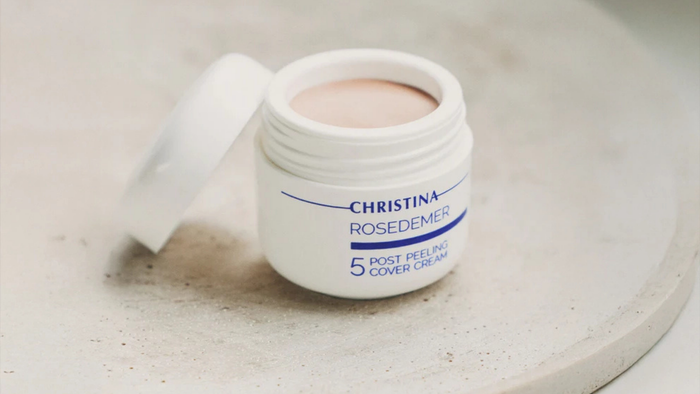 קרם הכיסוי רוז דה מר של כריסטינה: למה הוא משמש, למי הוא מתאים ואיך משתמשים בו
-
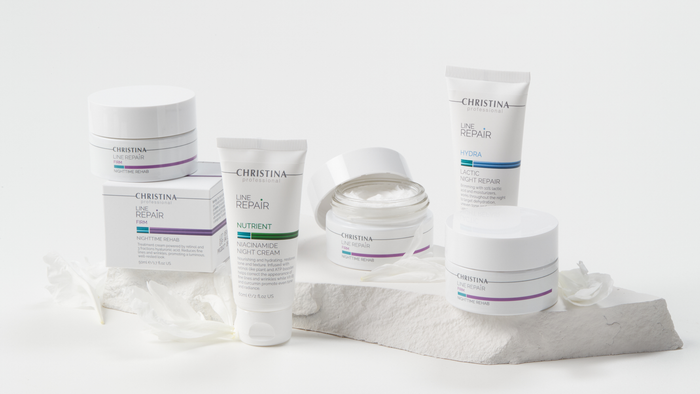 כריסטינה ליין ריפר: מדריך לחמשת הסדרות ואיך לבחור את הסדרה שמתאימה לעור שלכם
-
 השקת סדרת Gloss Absolu של Kérastase בדיל קוסמטיקס: ברק לשיער בגישה מדויקת
-
 איך מטפלים בשיער מתולתל? שגרת טיפוח לתלתלים
-
 איך משקמים שיער פגום? המדריך המלא לשגרת שיקום השיער
-
 שגרת טיפוח לפנים: הסדר הנכון של המוצרים
